The Archive Folio
- May 12, 2026
- ByFran Endicott Miller
To understand Montauk Yacht Club, you first have to understand the Hamptons — and to understand the Hamptons, you have to understand that this storied stretch of Long Island's South Fork is not one place at all, but many — a constellation of communities, each with its own distinct personality, its own social code, and its own particular relationship with the Atlantic. The Hamptons are less a destination than a spectrum, and the ability to navigate that spectrum — to understand the difference between Southampton and Montauk, between East Hampton and Amagansett — is the mark of the true insider.
Montauk occupies the easternmost end of this spectrum, a place where the Hamptons' cultivated refinement gives way to something rawer, more elemental, and ultimately more seductive. Here, at the very tip of Long Island, the land surrenders to the sea with a dramatic finality that has drawn fishermen, artists, and seekers of authenticity for generations. It is a place defined not by what has been built upon it but by what surrounds it: the vast, restless Atlantic to the south, the protected waters of Block Island Sound to the north, and a sky so wide and unobstructed that the sunsets have been known to stop conversation mid-sentence.
Southampton is old money and older hedgerows, a place where the architecture speaks of permanence and the gardens of patience. East Hampton is where the art world migrated and stayed, its main street now resembling a high-end designer runway where the aesthetics are as curated as the collections. Bridgehampton is equestrian and agricultural, all farm stands and open sky, where the scent of the ocean mingles with the fragrance of freshly turned earth. Sag Harbor is a genuine 19th-century whaling town that marries hip with history in a way that feels entirely natural, as though the past and the present have always coexisted here. Amagansett is the luxe and lowkey surfer's gateway, the last town before the road thins out and the Atlantic takes over — a place where the beauty is in the understatement.
Each of these communities contributes a different note to the symphony of the Hamptons, and understanding the distinctions is not merely a matter of geography but of sensibility — the kind of knowledge that distinguishes the visitor from the insider, and that makes all the difference in the quality of a summer spent on the South Fork.
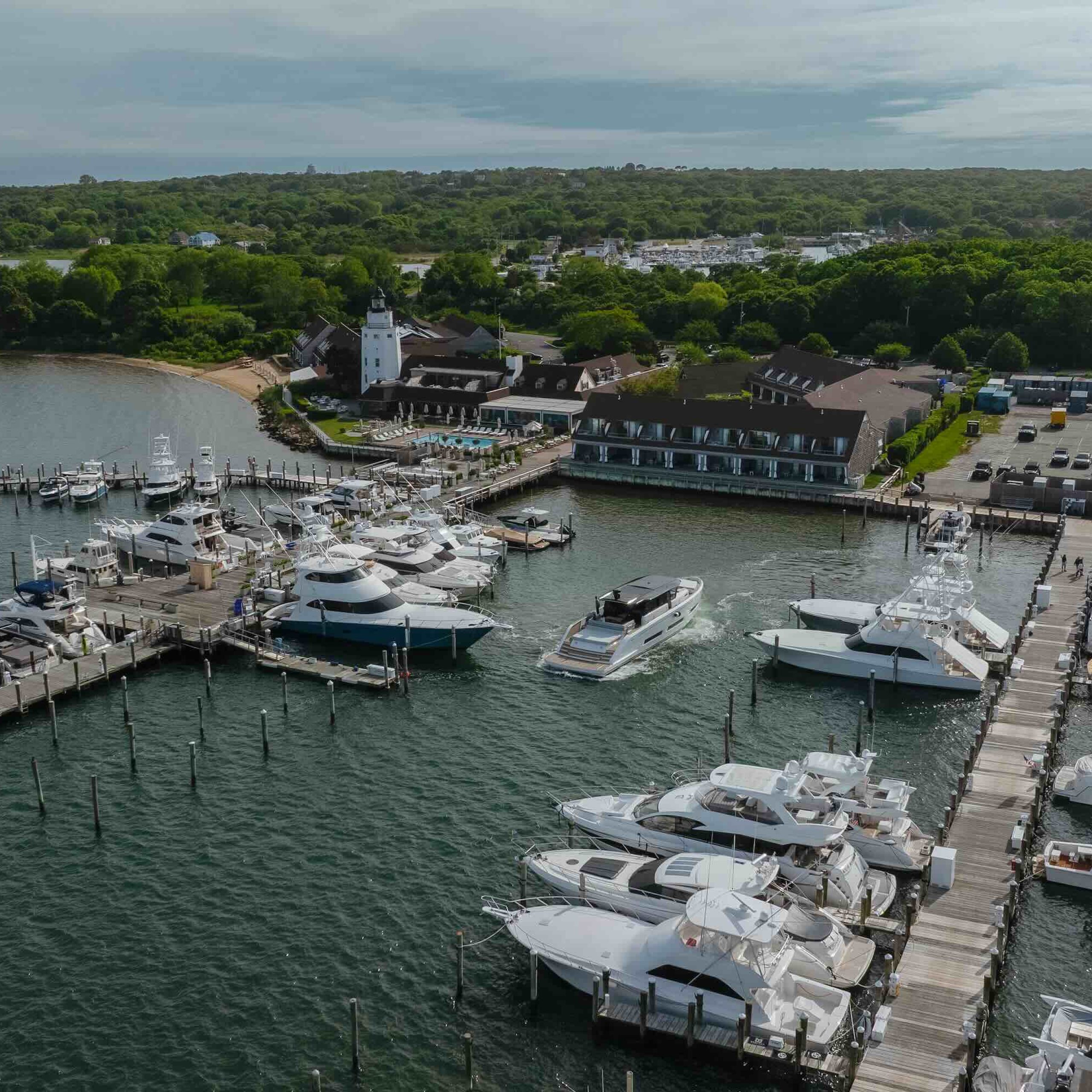
Montauk Yacht Club encompasses 16 acres along the edge of Lake Montauk
The End of the Road, and the Beginning of Something Else
Montauk is where the Hamptons stop being the Hamptons and become something a bit saltier and wilder — a place where the polish gives way to the elements, where the curated yields to the elemental, and where the Atlantic stretches beyond the horizon like a promise of infinite possibility. This is the furthest tip of Long Island, where the old fishing village and the new scene have reached a genuine understanding — a détente between the working waterfront and the weekend escape that is both authentic and, in its own way, deeply elegant. Summer nights here pulse with bonfires on the beach and laughter spilling from outdoor tables, while mornings still belong to the charter fleet heading out before breakfast in pursuit of striped bass and bluefish. Visitors wear their allegiance with t-shirts and hoodies purchased at the numerous souvenir shops in town — a democratic expression of belonging that is as much a part of the Montauk experience as the fishing and the sunsets.
Montauk is not trying to be anything other than what it is, and that authenticity is its most compelling quality — a quality that becomes increasingly rare and increasingly precious as the rest of the Hamptons continue to evolve toward the exclusive and the curated.
And Montauk Yacht Club provides a front row seat to all of it — a vantage point that is both privileged and perfectly positioned, offering guests the kind of access to the Montauk experience that can only come from a property that has been part of the community for nearly a century. The resort is not merely located in Montauk; it is of Montauk, woven into the fabric of the community in a way that newer properties can never replicate, and it is this deep-rooted connection that gives the Montauk Yacht Club its particular magic — the sense that you are not merely visiting a place but being welcomed into a story that has been unfolding for generations.
From its commanding position on the shores of Lake Montauk, the resort offers immediate access to the waterfront lifestyle that defines this corner of the world. Guests can step from their rooms to the marina in minutes, setting sail into the Sound as the morning mist lifts, or stroll to the harbor to watch the charter boats return with their catch at dusk. The club's three distinct hotel buildings — each with its own architectural personality and waterfront orientation — ensure that every stay feels fresh, while the consistency of the service and the warmth of the welcome remain reassuringly constant.
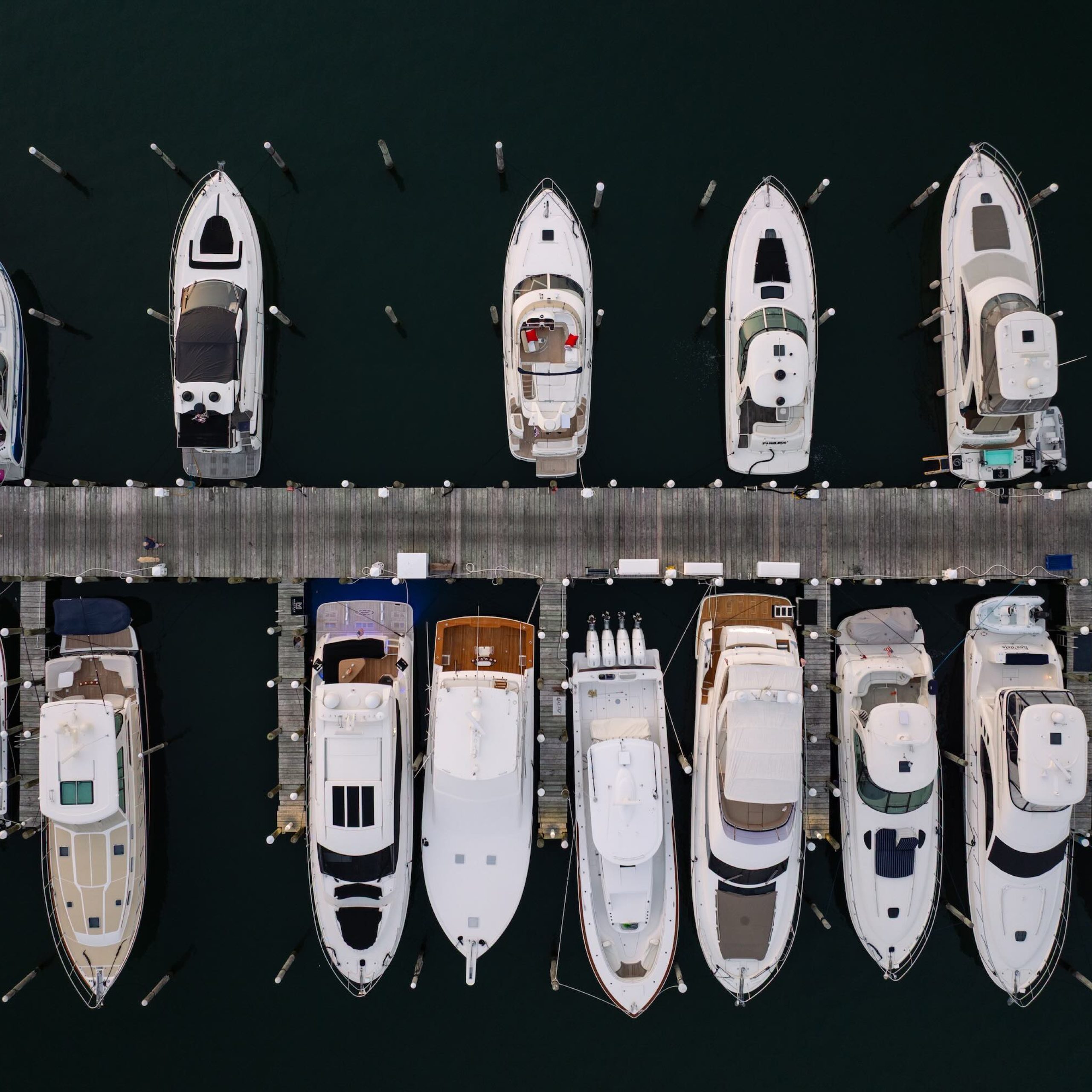
Vincent Astor docked here. So did J.P. Morgan, Edsel Ford, and Harold Vanderbilt
Nearly a Century of Getting It Right
Founded in 1928 by Carl Fisher — the same visionary who carved Miami Beach out of a mangrove swamp and bent the Florida landscape to his considerable will — the resort was conceived as a playground for the social elite at the far edge of the known social world, a place where the most powerful people in America could escape the scrutiny of the city and enjoy the particular freedom that comes from being at the end of the road. Vincent Astor docked here. So did J.P. Morgan, Edsel Ford, and Harold Vanderbilt — names that read like a ledger of American ambition, each one a chapter in the story of the century that followed. Charles Lindbergh simply flew his seaplane into the harbor and tied up at the marina, because of course he did — why arrive by road when you can arrive by air?
The early membership rolls read like a ledger of American ambition, and the 16 sun-drenched acres along the glassy edge of Lake Montauk absorbed all of it — all that ego, all that ease, all that money and salt air and summer confidence — and kept it. The property did not merely host these titans; it contained them, offering a setting that was grand enough for their ambitions and relaxed enough for their humanity.
Nearly a century later, it's still here — and that fact alone is worth pausing to consider, because longevity is not merely a matter of endurance but of adaptation, and the ability to remain relevant across nearly a hundred years of social change is a testament to something more than mere survival. The Montauk Yacht Club has endured because it has understood, from the very beginning, that the true luxury of a place lies not in the quality of its amenities — though those are considerable — but in the quality of its character, and that character is not something that can be manufactured or renovated into existence. It must be earned, year by year, season by season, guest by guest.
This earned character manifests in ways both large and small: in the way the staff recognizes returning guests before they've reached the front desk, in the way the property's architecture seems to grow naturally from its waterfront setting rather than imposing itself upon it, and in the way the resort's rhythm syncs effortlessly with the tides and the seasons. It is a place that has learned the most important lesson of hospitality — that the most memorable experiences are not those that overwhelm with spectacle but those that create a sense of belonging so complete that leaving feels like departing from a second home.
In 2024, Proper Hospitality — the award-winning group behind some of the country's most distinctive lifestyle resorts — assumed management and operations of the resort, and what they have done is something genuinely remarkable: they have made the place feel entirely new without disturbing its soul. The history is not merely decorative — the wonderful collection of vintage photographs is not simply hung for atmosphere — the narrative is structural. It lives in the dock pilings and the cottage foundations and the particular quality of light on the water at the end of a long summer afternoon. Proper understood that the most sophisticated thing a new management team can do is not to impose a vision but to reveal one — to strip away the accumulated layers of compromise and neglect and reveal the essential character that has been there all along, waiting to be rediscovered.
The result is a property that feels both timeless and contemporary, both rooted and fresh, and that offers a rare combination: the depth and authenticity of a place with real history, and the polish and vitality of a place with genuine ambition.
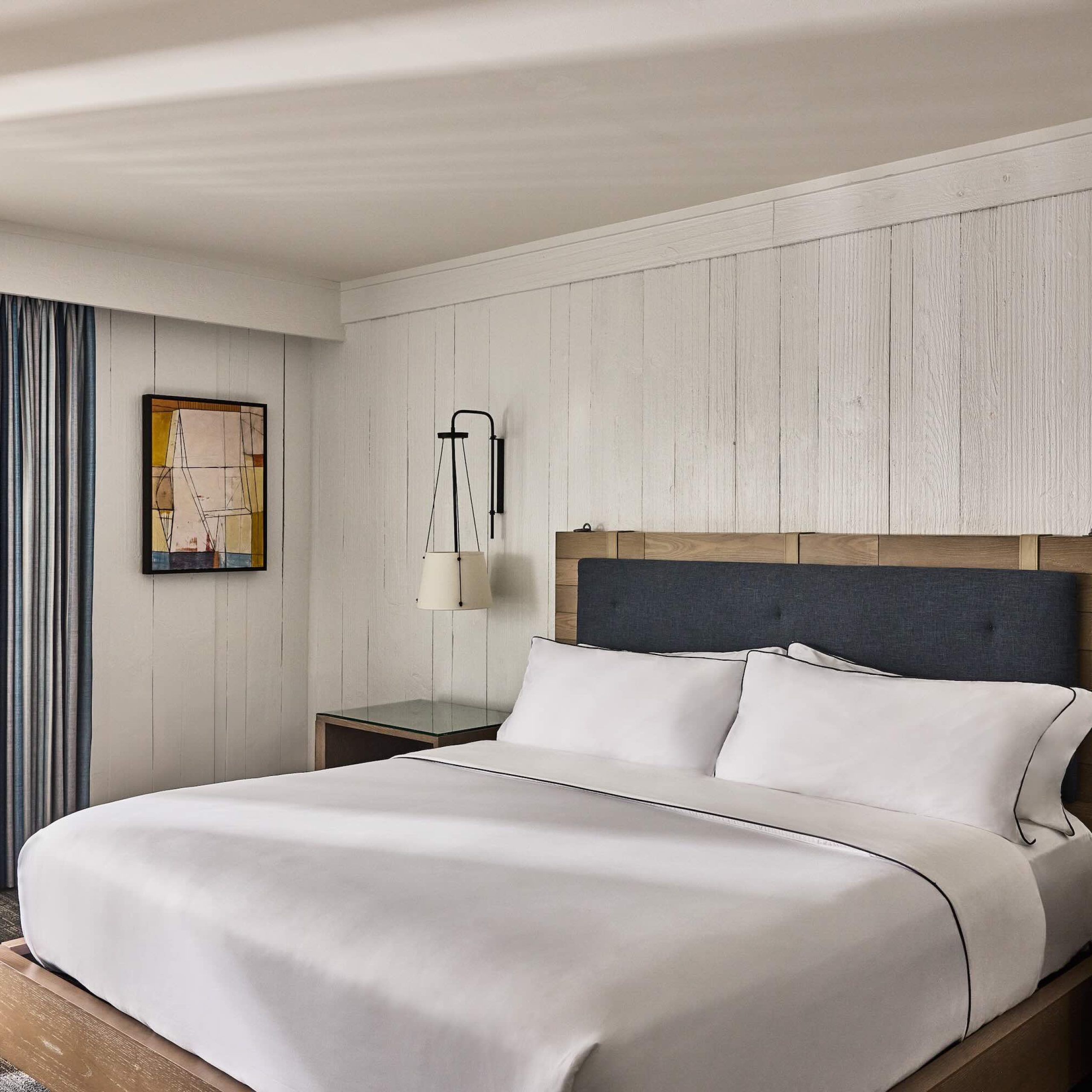
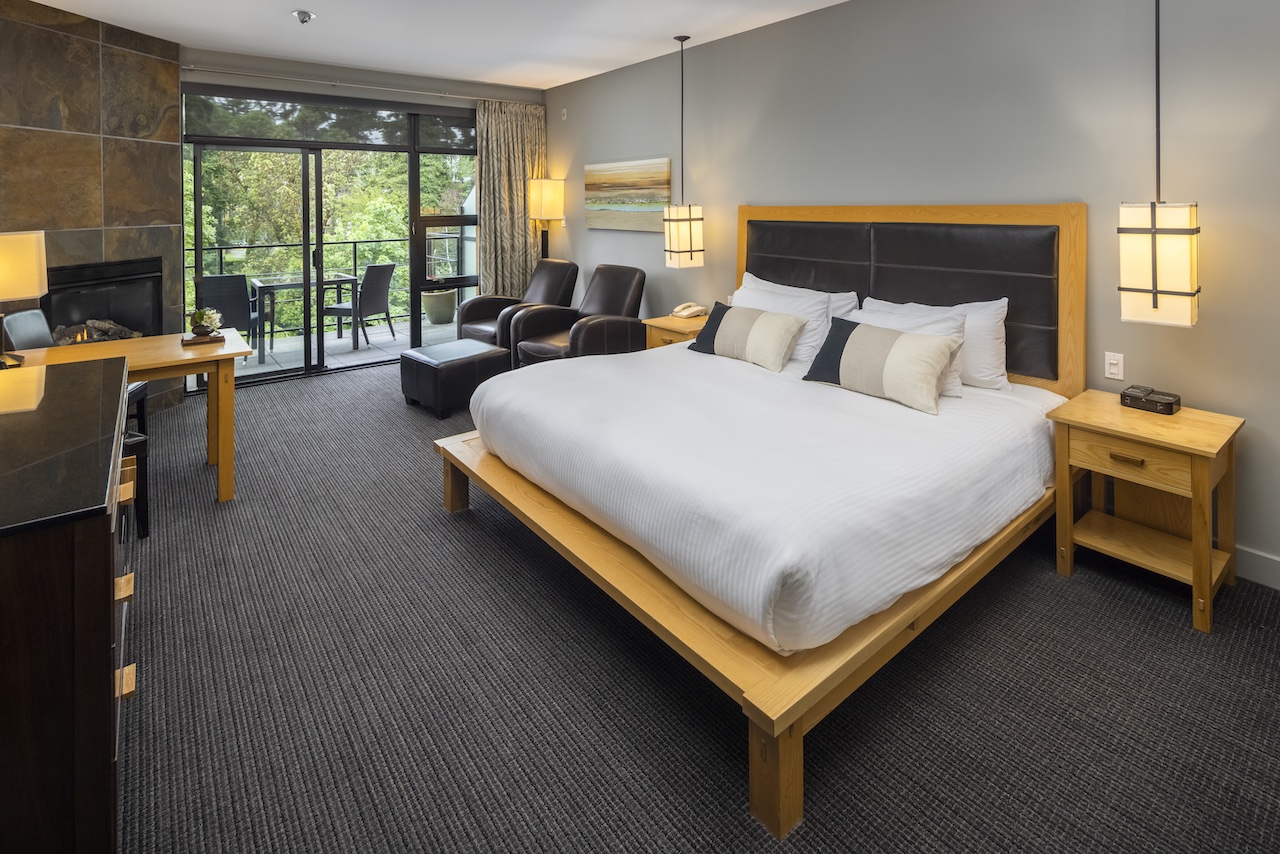
The guest room aesthetic is classic East Coast: unfussy, cozy, and comfortable
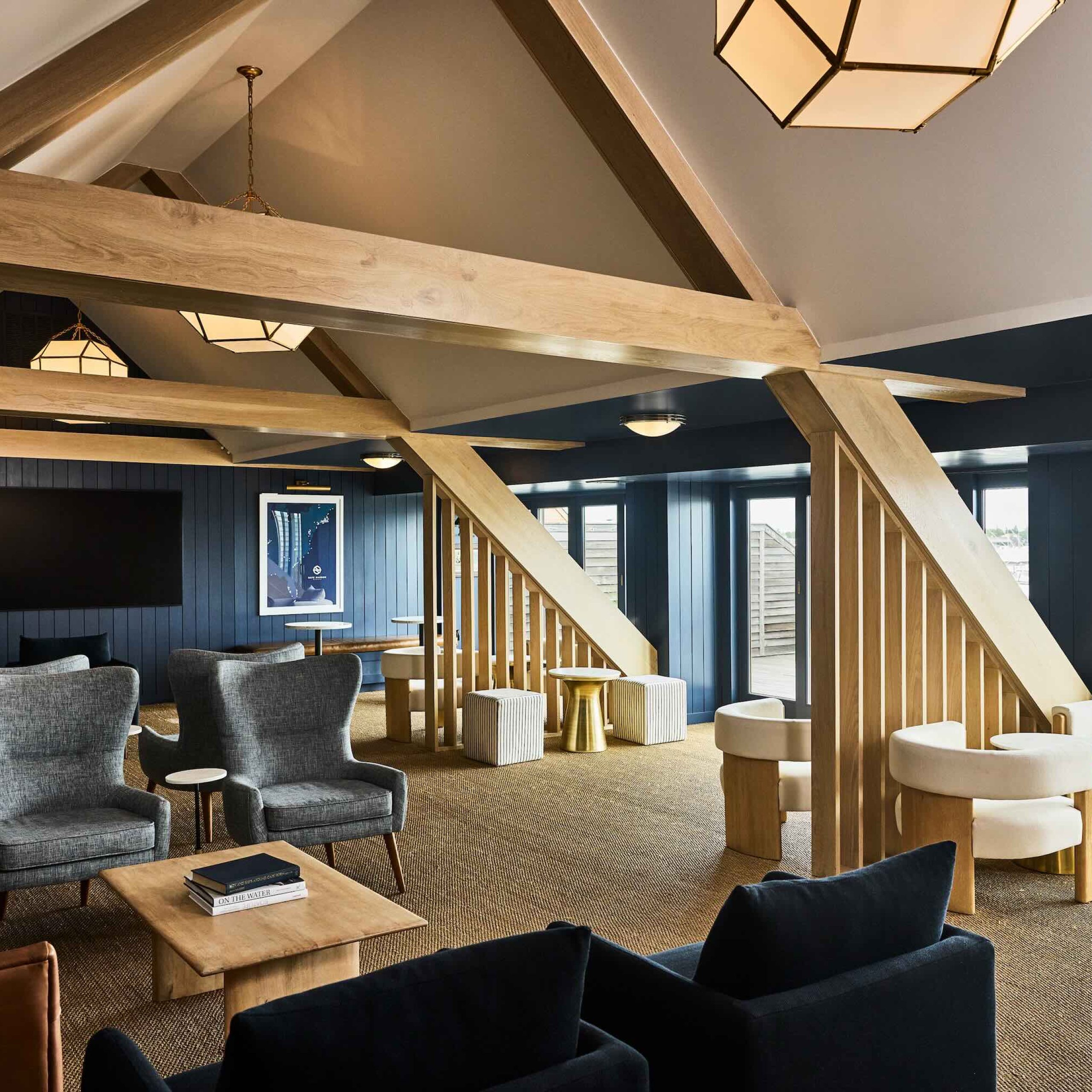
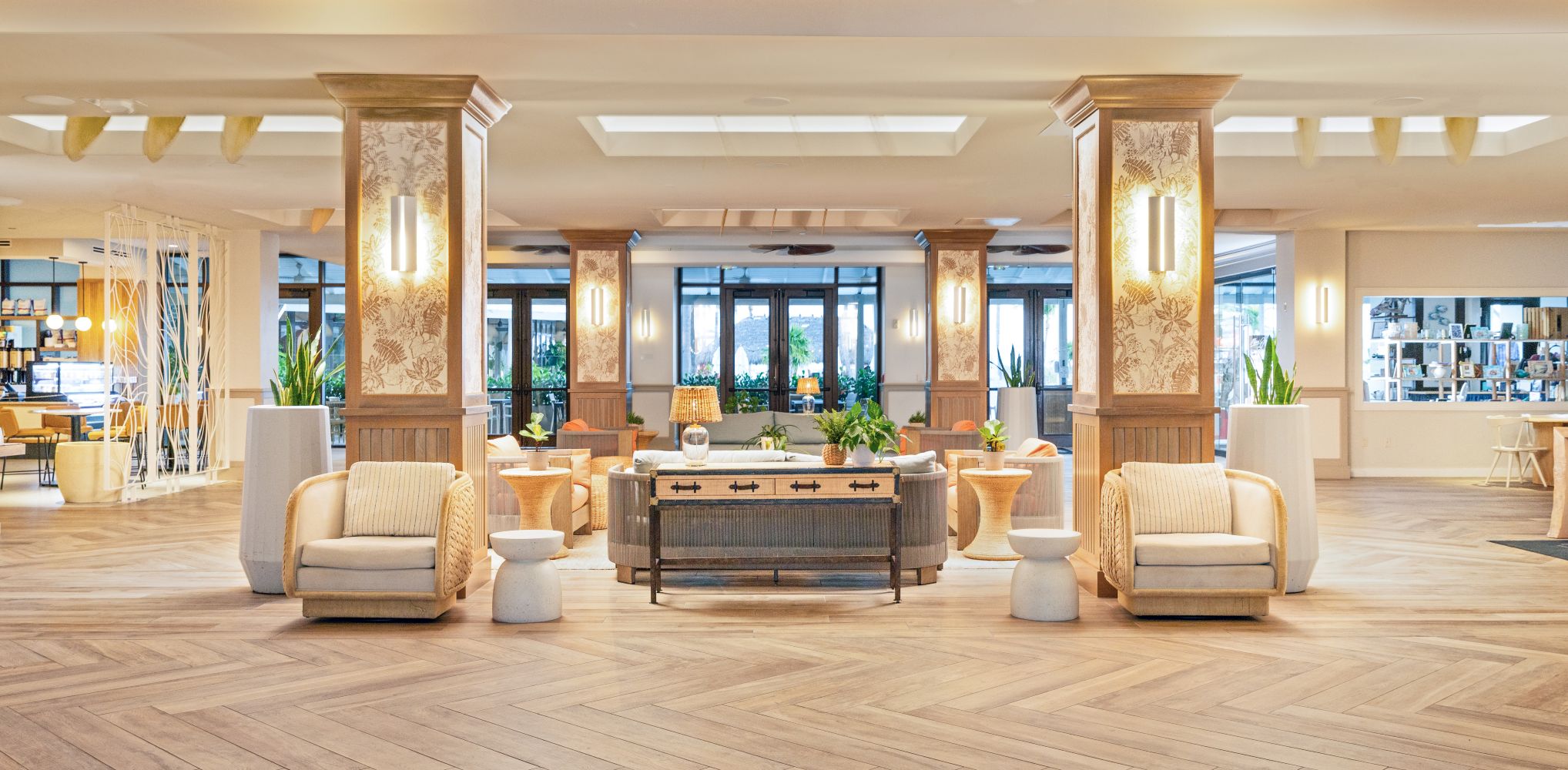
One of the many common areas that feature views of Lake Montauk
The Rooms: History You Can Sleep In
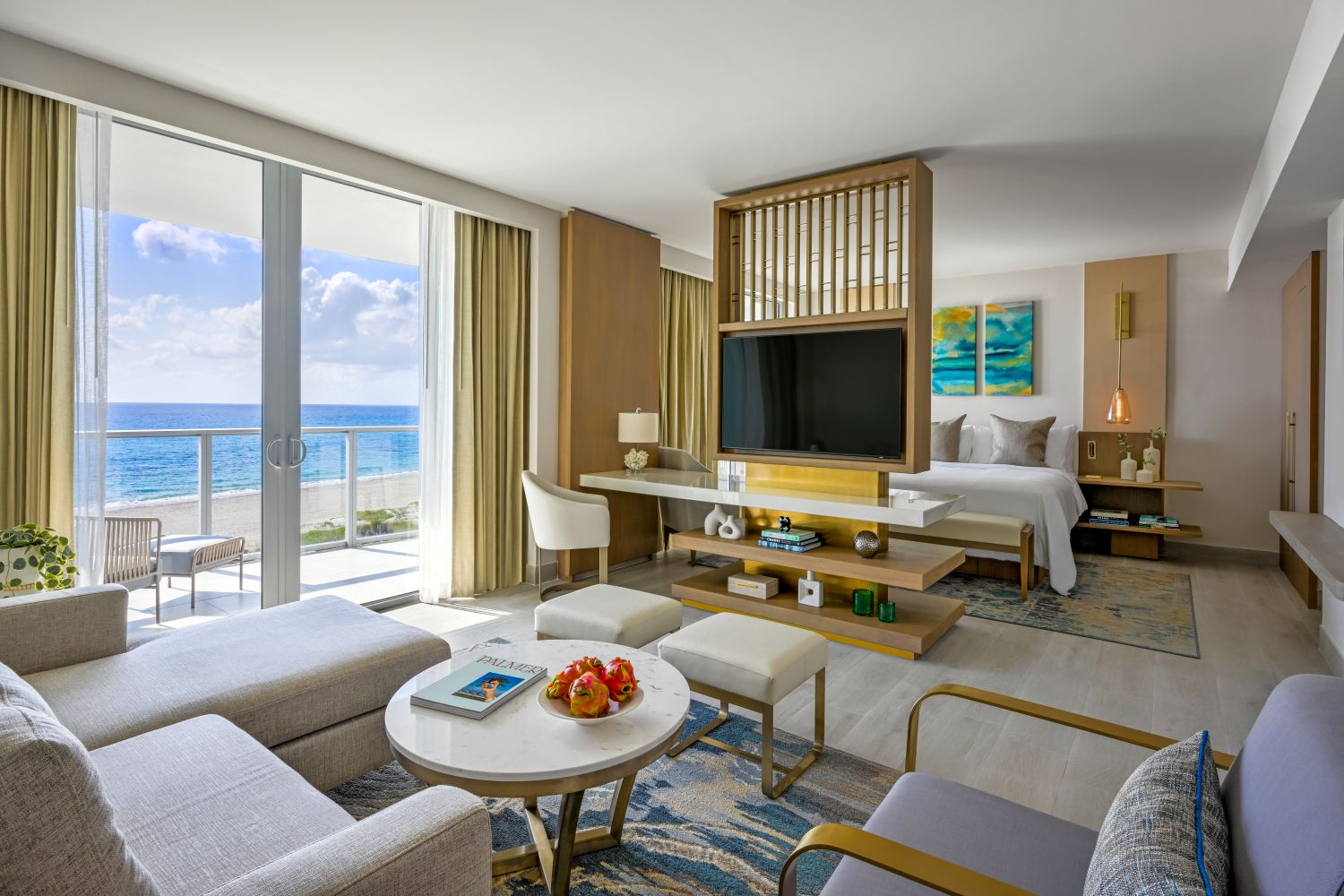
The resort's 106 guest rooms and historic cottages have been refreshed in a manner that respects what was already there — a philosophy of renovation that is far more difficult to execute than the more common approach of replacing everything with the latest trend, and that produces results that are infinitely more satisfying. Light-filled interiors, soft white woods, and floor-to-ceiling glass doors open onto private patios and balconies overlooking Lake Montauk, the beach, or the sweeping Great Lawn, creating a sense of connection to the landscape that is both immediate and profound. The aesthetic is classic East Coast: unfussy, yet cozy and comfortable — a design vocabulary that understands the Hamptons are not about showing off but about settling in, and that the most luxurious thing a room can be is genuinely livable.
Select rooms along the southeastern perimeter open directly onto a beach path, offering the kind of access to the sand and the surf that is the dream of every summer visitor. On the north side of the property, the Ziegfeld Estate — five freestanding cottages dating to 1928, listed on the National Register of Historic Places — offers the feeling of a private compound, a world within a world where the pace of life is set by the tides and the light.
Throughout the corridors, curated historical photography lines the walls in black and white — evidence of the golden era when this dock was the place to see and be seen, when the great yachts of the great names rode at anchor in the harbor, and when the summer season was defined not by social media but by the simple pleasure of being present in a beautiful place at a beautiful time. It is, as it should be, a beautiful reminder of continuity — not a nostalgia trip but a visual connective tissue that links the present to the past and reminds every guest that they are not merely staying at a hotel but participating in a tradition that has been unfolding for nearly a century.
The more things change, the more this place insists on remaining itself — and that insistence, that refusal to be anything other than what it has always been, is the source of the Montauk Yacht Club's most enduring and most valuable quality: its authenticity.
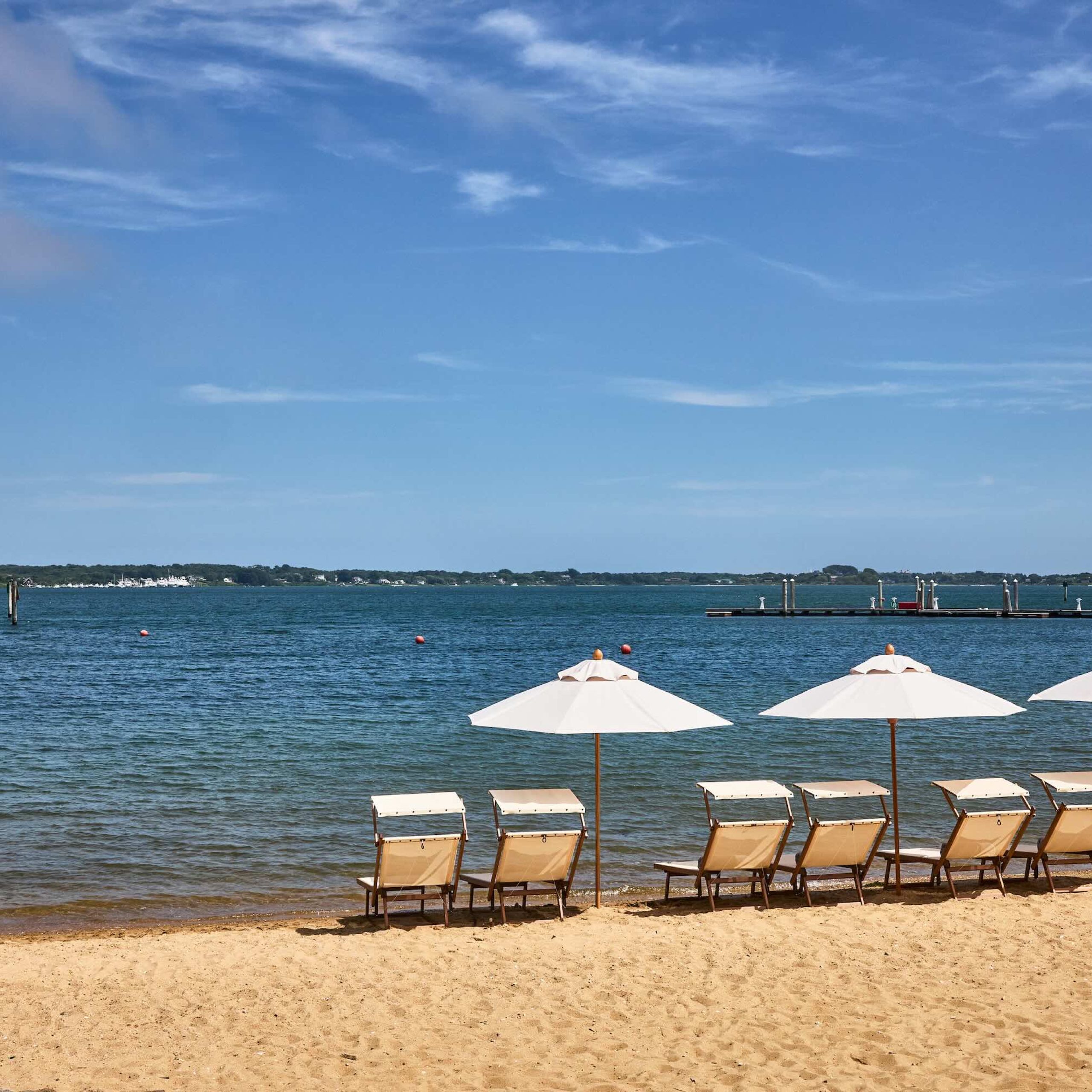
The small beach is a family favorite
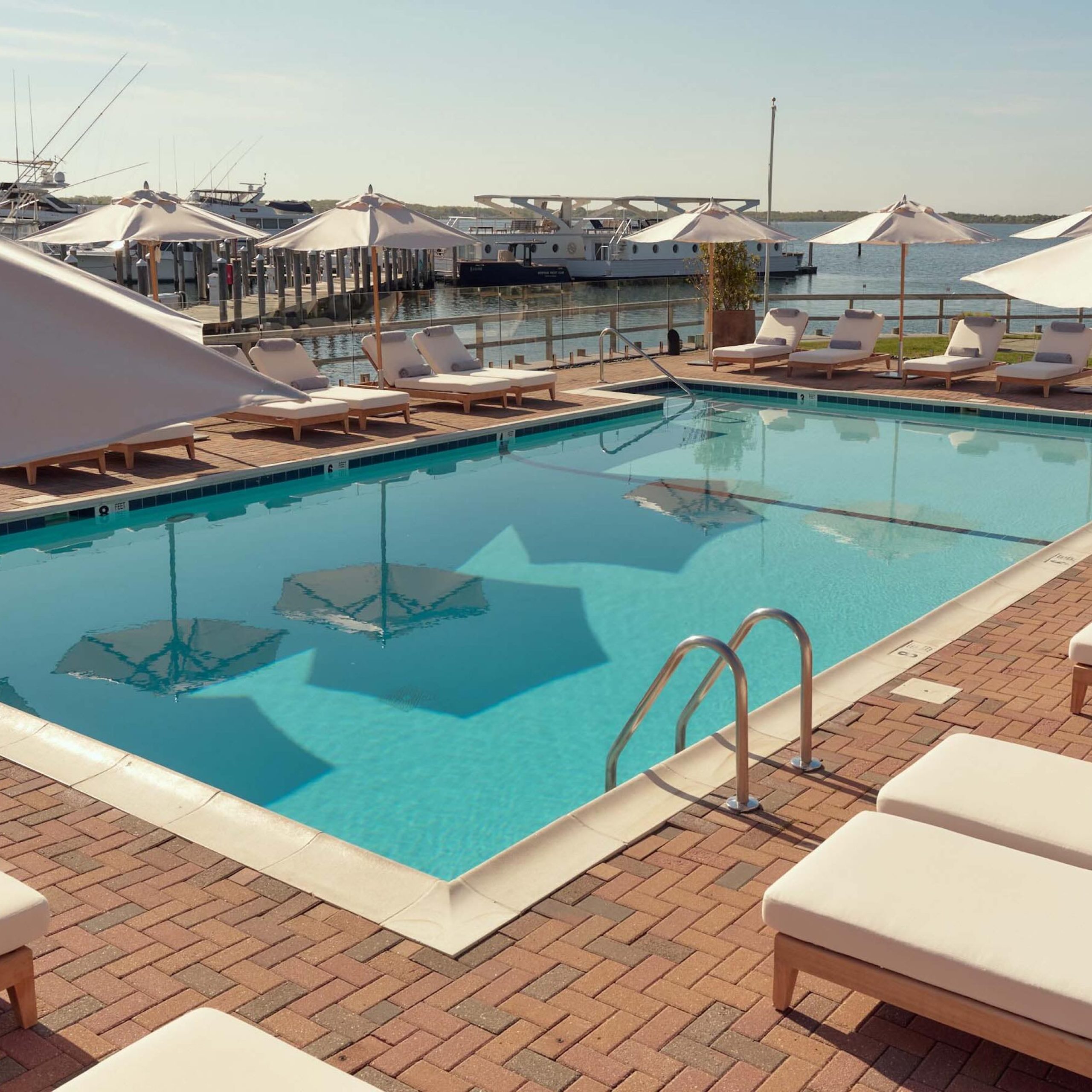
The adult-only Ocean Club Swimming Pool
The Architecture of a Perfect Summer Day
A perfect day here begins with coffee from The Market or a Nespresso setup in-room, the muffled sound of halyards against masts drifting through the balcony doors like a lullaby composed specifically for the morning hours at a marina. The sprawling grounds then open up before you: children move between the Family Pool and the private beach, their laughter carrying across the water like a promise of summer. Paddleboards await at the waterline; pickup games spread across the great lawn with the kind of spontaneous energy that is the hallmark of a truly relaxed vacation. The docks provide an education in boats and tides and the unhurried vocabulary of a working marina — a vocabulary that is as old as the sea itself and as current as the morning's catch. A fleet of complimentary bikes invites local exploration, offering the freedom to discover Montauk at the pace it deserves.
The Galley food truck — returning for its second season — supplies the fuel, including a destination-level lobster roll that has already achieved the status of a local legend, a single dish that is worth the trip in itself and that embodies the Montauk philosophy of taking the finest ingredients and getting out of their way.
On the Water
The marina is the resort's crown jewel and one of the largest in the Hamptons, with 228 wet slips capable of welcoming vessels from modest day cruisers to 300-foot superyachts — a range that reflects the democratic spirit of Montauk itself, where the working fishing boat and the floating palace share the same harbor and the same horizon. You need not own a boat to feel the pull of it — there is something ancient and entirely satisfying about being near a working marina, watching the charter fleet head out before breakfast and return by midday, the whole seasonal rhythm of it playing out against the backdrop of a luxury property in a way that feels both authentic and deeply romantic.
The marina is not merely an amenity; it is the beating heart of the resort, the reason the property exists and the source of its most enduring appeal. It is the place where the Montauk Yacht Club's history and its present converge — where the ghosts of the great yachts that once docked here mingle with the vessels of today, and where the simple act of walking along the dock at sunset becomes a meditation on the passage of time, the beauty of the sea, and the particular pleasure of being at the edge of the world.
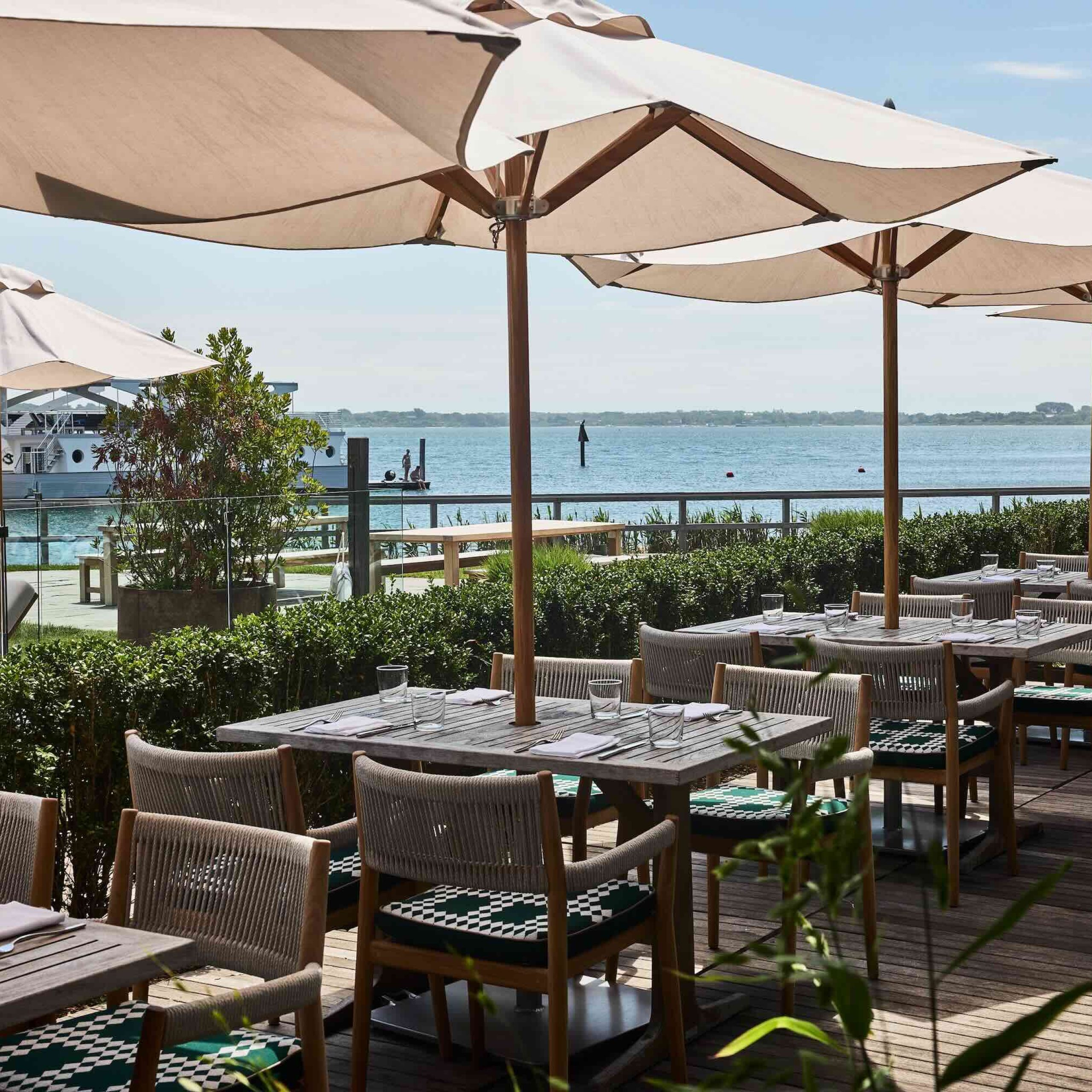
Alba Spiaggia features indoor and outdoor seating
Alba Spiaggia: The Sea in Every Bite
At Alba Spiaggia, the name says everything and nothing at once — everything, because 'spiaggia' is the Italian word for beach, and this restaurant's soul is inseparable from the shoreline it occupies; nothing, because no single word can capture the experience of dining here, where the boundary between the plate and the horizon dissolves with the afternoon light. The menu is a love letter to the Atlantic, each dish a meditation on the gifts that the ocean bestows upon those patient and skillful enough to harvest them. Local catch arrives at the kitchen within hours of leaving the water, transformed by techniques that honor both Italian culinary tradition and the particular bounty of the Long Island coast. The result is a dining experience that feels almost aquatic in its rhythm — courses arriving like gentle waves, each one building upon the last, carrying flavors that are as briny and fresh as the breeze that sweeps through the open-air dining room. This is seafood not as sustenance but as storytelling, each plate narrating the relationship between a place and the sea that defines it.
The signature restaurant, Alba Spiaggia, makes an audacious and successful argument: that the spirit of coastal Italy and the spirit of Montauk are essentially the same — that both are about the sea, both are about eating well in beautiful light, and both understand that the finest cuisine is not about complexity but about the quality of the ingredients and the restraint of the chef. The menu is a love letter to skilled simplicity: crudos that let the fish speak for itself, vibrant salads that taste of the earth and the sun, grilled whole fish that arrives at the table with the kind of rustic elegance that is the hallmark of Mediterranean cooking, house-made pastas that are both comforting and surprising, and exceptional pizza that achieves the kind of blistered, charred perfection that is the hallmark of a truly great pie.
The space dissolves the line between inside and out, with an open kitchen that invites the drama of cooking into the dining experience, an expansive waterfront patio that makes the lake and the sky part of the meal, and an upstairs lounge offering 180-degree views of the marina that transform a simple dinner into a genuine event. Alba Spiaggia is not merely a restaurant; it is a place where the boundary between eating and being dissolves into a single, seamless experience.
Wellness, Afloat
The ELEMIS Wellness Cabana may be the property's most surprising amenity — and in a resort full of surprises, that is saying something. It is a floating treatment room moored on Lake Montauk, where the gentle motion of the water is itself a form of therapy, a constant, subtle rocking that relaxes the body and quiets the mind in a way that no land-based treatment room can achieve. ELEMIS science-backed formulations are combined with the particular tranquility of being surrounded by water on all sides, light moving across the surface, creating a treatment experience that is both innovative and deeply intuitive — a recognition that the most restorative environments are those that engage the senses completely and that the most effective therapies are those that work with the body rather than upon it.
The wellness philosophy extends across the property where also offered are a state-of-the-art fitness center for those who prefer their wellness more active, weekly yoga classes that take advantage of the stunning lakefront setting, hiking trails that wind through the surrounding landscape, and a fleet of complimentary bikes that invite exploration at the pace of the body rather than the pace of the clock.
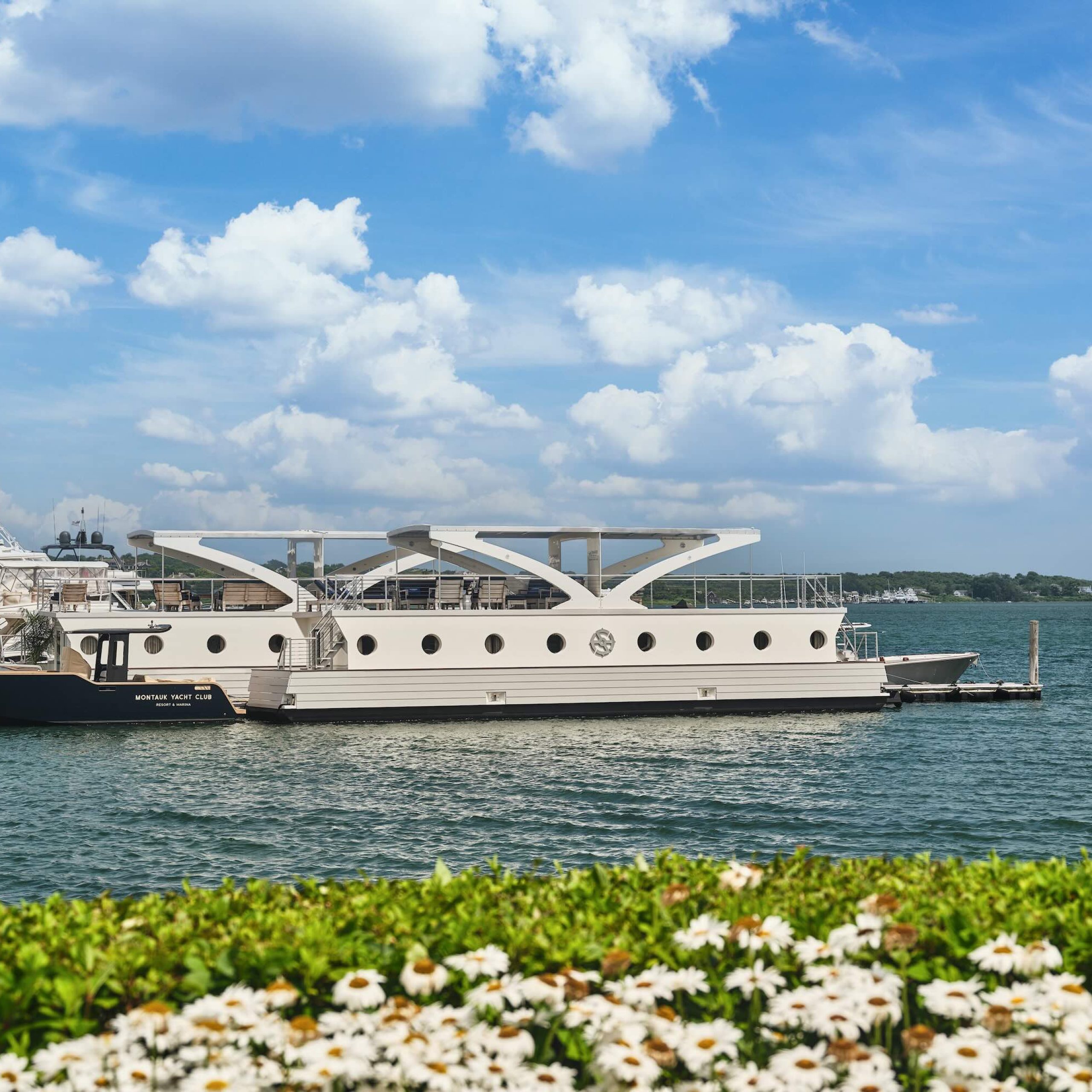
The ELEMIS Wellness Cabana floats on Lake Montauk
Beyond the Resort
Before you settle in at the resort, the town itself deserves some of your time — and the wise traveler will set aside at least a morning to explore the particular rhythms and rituals of Montauk before surrendering to the comforts of the property. Anthony's Pancake House is a local ritual, a breakfast spot that has fed generations of fishermen, families, and weekend wanderers with the kind of unpretentious, deeply satisfying food that is the bedrock of any genuine community. The Bird on the Roof is the town's other essential, where the locals and visitors co-mingle in a way that is both democratic and distinctly Montauk. And then there is the Montauk Point Lighthouse — commissioned by George Washington himself, standing at the very edge of the continent, still keeping its watch after more than two centuries.
The lighthouse is more than a landmark; it is a symbol of the particular quality of Montauk — a place that has always existed at the edge of things, where the known world gives way to the vast and the uncharted, and where the simple act of standing at the point and looking out to sea becomes a meditation on the passage of time, the persistence of the elements, and the enduring human desire to find the edge of the world and stay awhile.
The More Things Change
There is a concept that Montauk Yacht Club embodies fully: the idea that the most sophisticated thing a luxury property can do is to become more of what it always was — not to reinvent itself in pursuit of the latest trend, not to chase the ephemeral approval of the moment, but to deepen and refine the qualities that have made it exceptional from the very beginning. This is the philosophy of the long game, the philosophy of substance over style, and it is the reason that the Montauk Yacht Club has not merely survived for nearly a century but has thrived, growing more compelling and more beautiful with each passing season.
In an era when the luxury hospitality industry seems perpetually in pursuit of the next new thing — the next concept, the next collaboration, the next Instagram moment — there is something quietly radical about a property that stakes its future on the same qualities that secured its past. This is not complacency but conviction: a deep-seated belief that the things which made Montauk Yacht Club extraordinary in the 1920s — the quality of the light, the beauty of the setting, the warmth of the welcome — are the same things that make it extraordinary today, and will make it extraordinary a century from now.
The striped bass still run in the fall, their ancient migration as reliable as the turning of the seasons and as mysterious as the sea itself. The lighthouse still keeps its watch at the edge of the continent, its beam sweeping across the water with the same steady, reassuring rhythm it has maintained since the days when the first president of the United States commissioned it. The same dock where one of the most famous pilots in American history once tied up his seaplane still stretches into the harbor, accommodating vessels of a different era but with the same essential human impulse: to arrive somewhere beautiful and stay awhile.
These are not merely historical footnotes but living presences — elements of Montauk's character that continue to shape the experience of every guest who passes through the doors of the Yacht Club. The striped bass remind us that nature operates on a schedule that predates and will outlast our own; the lighthouse reminds us that some things are worth maintaining with a devotion that transcends practicality; and the dock reminds us that the urge to explore, to venture out into the unknown and return to a safe harbor, is among the most fundamental of human impulses.
On a warm summer evening, when the sun is taking its time going down over Lake Montauk, the boats are swinging gently at their moorings, and the water catches the last of the day's light like a mirror held up to the sky, it becomes easy to understand why certain places resist reinvention — why they have no need of it, and why the most profound luxury is not the novelty of the new but the depth of the familiar, the beauty of the enduring, and the particular, irreplaceable magic of a place that has been getting it right for nearly a hundred years.
There is a quality of stillness that settles over the resort in these evening hours — not the silence of emptiness but the hush of contentment, the sound of a place that is exactly what it was meant to be. Guests gather on the terraces and at the bar not because there is an event or an occasion but because the evening itself is the occasion, and the simple act of being present for the sunset over the lake feels like a privilege that no amount of money could purchase elsewhere but that the Montauk Yacht Club bestows upon every guest, as naturally and generously as the breeze.
Photos courtesy of Montauk Yacht Club, capturing the singular spirit of a property that has defined waterfront luxury at the edge of the Atlantic for nearly a century. Each image reflects a different dimension of the club's enduring appeal: the golden light that bathes the marina at dusk, the effortless elegance of waterside dining, the quiet dignity of accommodations that face the sea with the composure of a property that has never needed to shout to be heard. The photography conveys what words alone cannot — the particular quality of air at the tip of Long Island, where the salt of the Atlantic mingles with the wild grasses of the dunes, and the sky stretches so wide that the horizon seems less a boundary than an invitation. These images are not merely promotional materials but love letters to a place that has earned, over generations, a devotion that no marketing campaign could ever manufacture.
Folio · Folio · 43°20'59"N 24°36'36"W · Platinum Tier
To understand Montauk Yacht Club, you first have to understand the Hamptons — and to understand the Hamptons, you have to understand that this storied stretch of Long Island's South Fork is not one place at all, but…
— Club ledger, May 12, 2026, archive no. 5836