The Archive Folio
- April 24, 2026
- ByKeri Bridgwater
From a design-forward farm retreat in Iwate and a Blue Zones program in Okinawa to an urban ryokan in Tokyo, three distinctive escapes for cultural immersion and destination-driven luxury that represent the vanguard of a new kind of wellness travel — one that does not merely treat the body but engages the whole person in a dialogue with place, tradition, and the natural world. Japan has always been a destination that rewards the traveler who seeks depth over spectacle, and these three properties represent the most compelling evidence yet that the future of wellness travel lies not in the spa treatment room but in the landscape, the culture, and the community that surround it.
Each of these stays offers something that conventional wellness resorts cannot: a genuine connection to the soil, the sea, and the city that shaped them, and an invitation to participate in traditions that have been cultivated over centuries. The result is a kind of wellness that is not merely restorative but transformative — a journey that changes not just how you feel but how you see the world.
Set against the foothills of Mount Iwate — often called "Nambu Fuji" for its striking resemblance to the iconic Mt. Fuji — newly opened Azuma Farm Koiwai is a refined, design-led retreat that reimagines rural luxury through the lens of agriculture, architecture, and slow living with a vision that feels both revolutionary and deeply respectful of the land that inspired it. Located in Japan's northeastern Honshū, the property introduces travelers to the often-overlooked Tohoku region, a corner of Japan that has remained largely untouched by the international tourism that has transformed other parts of the country, and offers an experience that feels both deeply rooted and distinctly contemporary — a rare combination that speaks to the property's sophisticated understanding of what modern travelers seek.
The retreat is not merely a place to stay but a place to understand: a living demonstration of how the rhythms of agriculture, the beauty of architecture, and the philosophy of slow living can converge to create something that is greater than the sum of its parts. For the traveler who has grown weary of the interchangeable luxury experiences that dominate the global hospitality landscape, Azuma Farm Koiwai offers something genuinely different — a stay that is as much about learning as it is about relaxation.
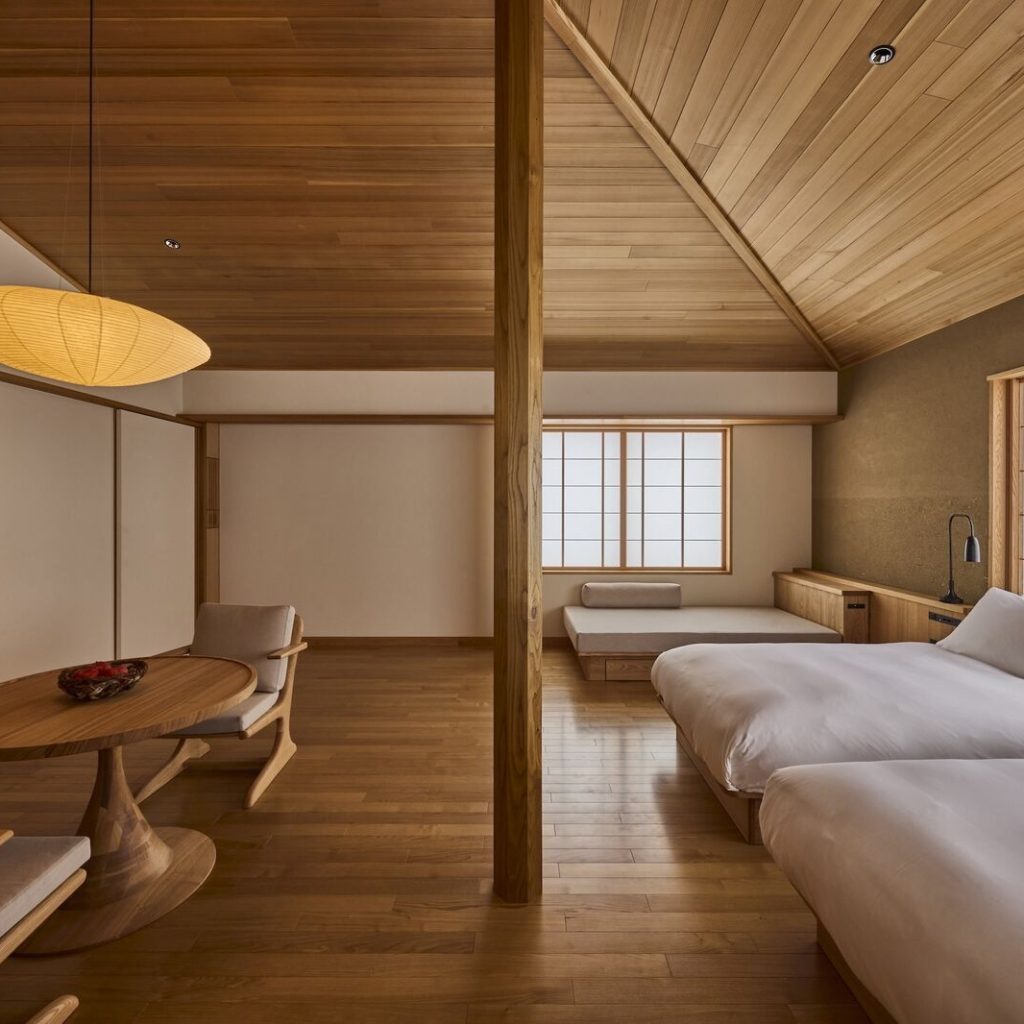
Design-forward retreat Azuma Farm Koiwai
Developed by Kyoto-based luxury hospitality brand Azumi Japan in collaboration with East Japan Railway Company, the retreat sits within a landscape shaped by more than 130 years of farming heritage — a heritage that is not merely acknowledged but actively celebrated in every aspect of the guest experience. That legacy is palpable in every detail, from villas constructed with century-old cypress and red pine sourced onsite to architectural cues inspired by traditional cowsheds, reinterpreted by Kyoto-based architect Shiro Miura with a sensitivity that transforms rustic references into something approaching the sublime. The result is architecture that does not merely occupy the landscape but converses with it, creating spaces that feel as though they have grown from the earth rather than been imposed upon it.
Surrounded by pastureland and forest, its 24 standalone forest and garden villas offer a rare sense of seclusion that is increasingly precious in a world where privacy has become a luxury commodity. Interiors are understated yet tactile, with cedar ceilings that release their fragrance into the air with the warmth of the sun, chestnut wood pillars that bear the grain of their long growth, and panoramic views that shift with the seasons — from the fresh green of spring to the fiery palette of autumn, each view a reminder that time moves differently here.
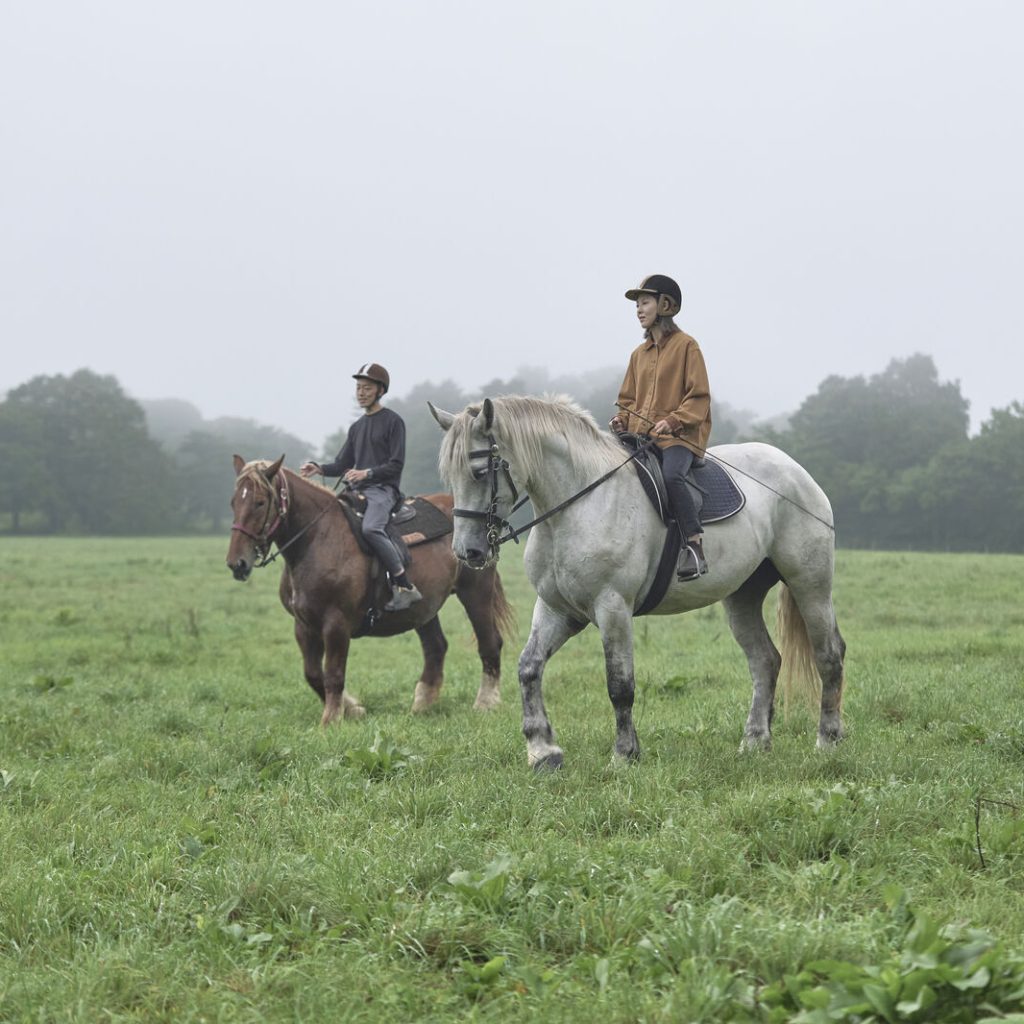
Horseback riding at Azuma Farm Koiwai
Dining, led by French-trained chef Yoshitaka Oyama, further anchors the experience in place, spotlighting Tohoku ingredients through a refined, ingredient-first approach that reveals the extraordinary quality of the region's produce with a simplicity that is the hallmark of true culinary mastery. During an intimate Okibi experience, meals unfold around a charcoal grill in a communal, fire-led setting where the act of cooking becomes a ritual and the act of eating becomes a conversation — with the food, with the fire, with the land, and with the people gathered around the embers. Wellness here is elemental too, with three private Forest Springs bathing pavilions offering a meditative immersion in the healing waters of the earth, a natural hot spring opening later this year, and outdoor activities designed to explore the landscape, including horseback riding through pastures that have been cultivated for more than a century — all of which encourage a slower, more grounded approach to wellbeing that is as much about connection as it is about restoration. azumafarms.com
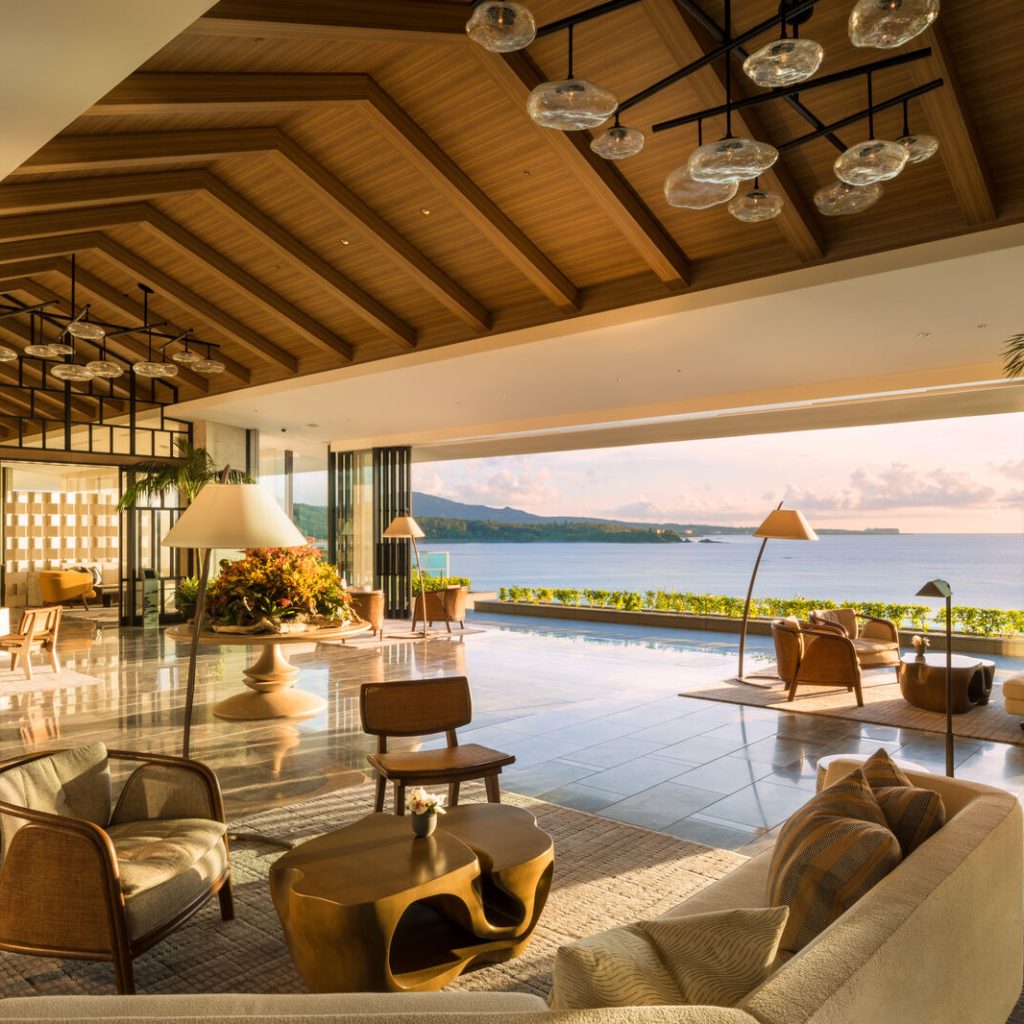
Halekulani Okinawa
Rather than focusing solely on spa treatments — although there is plenty of time for those, and the resort's spa is among the finest in Japan — the weeklong experience at Halekulani Okinawa unfolds through a cultural lens that is as enriching as it is restorative: weaving protective salt amulets using techniques passed down through generations, stepping into a 120-year-old lacquerware studio where artisans practice a craft that has been refined over centuries, and practicing karate in its birthplace, where the discipline's philosophical foundations are as important as its physical techniques. A private visit to Shuri Castle adds further depth, grounding the experience in the complex history of the Ryukyu Kingdom and the Okinawan concept of chimugukuru — a philosophy rooted in compassion and emotional strength that has sustained this island community through centuries of hardship and change.
This is wellness travel that does not merely treat the symptoms of modern life but addresses their root causes by reconnecting guests with the values and traditions that have sustained human communities for millennia. The experience is designed to be not just a vacation but a transformation — a journey that leaves you not merely rested but changed, with a deeper understanding of what it means to live well.
Designed to nourish without excess, the culinary programming also reflects the island's longevity ethos, with workshops on mindful eating, local ingredients, and plant-based mocktails that demonstrate how the pleasures of the table can be enhanced rather than diminished by attention to health. Guided sessions unpack the "Power 9" habits identified by Blue Zones researchers — the nine lifestyle practices that are common to the world's longest-living communities — offering practical ways to integrate these insights into everyday routines long after the trip ends. Tucked within Okinawa Kaigan Quasi-National Park, the resort itself features a sublime oceanfront setting and an award-winning spa that complements the cultural programming with treatments drawn from both modern science and ancient tradition. okinawa.halekulani.com
The culinary workshops are led by practitioners who embody the very principles they teach — chefs, nutritionists, and local elders who have spent a lifetime understanding the profound connection between what we eat and how we live. Each session is designed not as a lecture but as a conversation, an exchange of knowledge and culture that leaves participants with recipes, techniques, and a philosophy of eating that transforms their relationship with food from one of consumption to one of communion with the land, the sea, and the extraordinary community that has made Okinawa a global symbol of longevity.
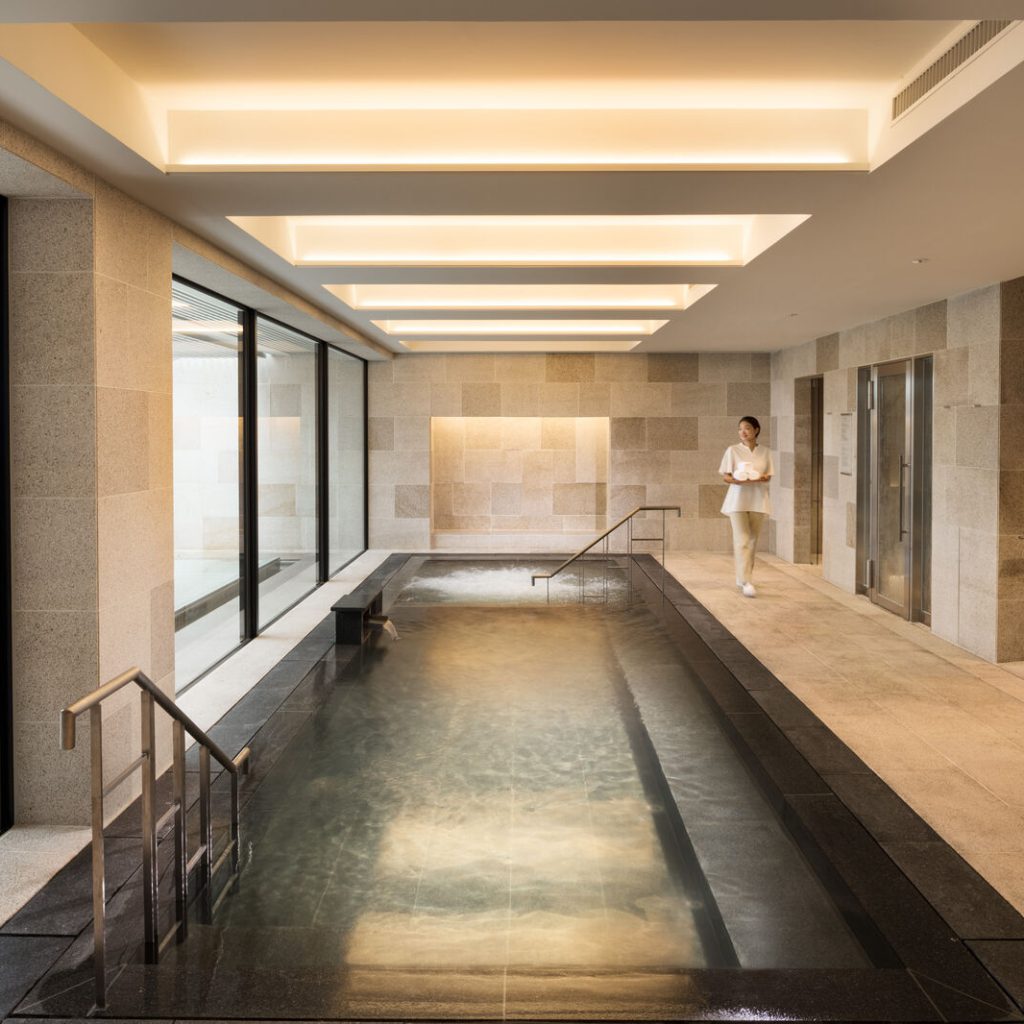
The onsen at Halekulani Okinawa
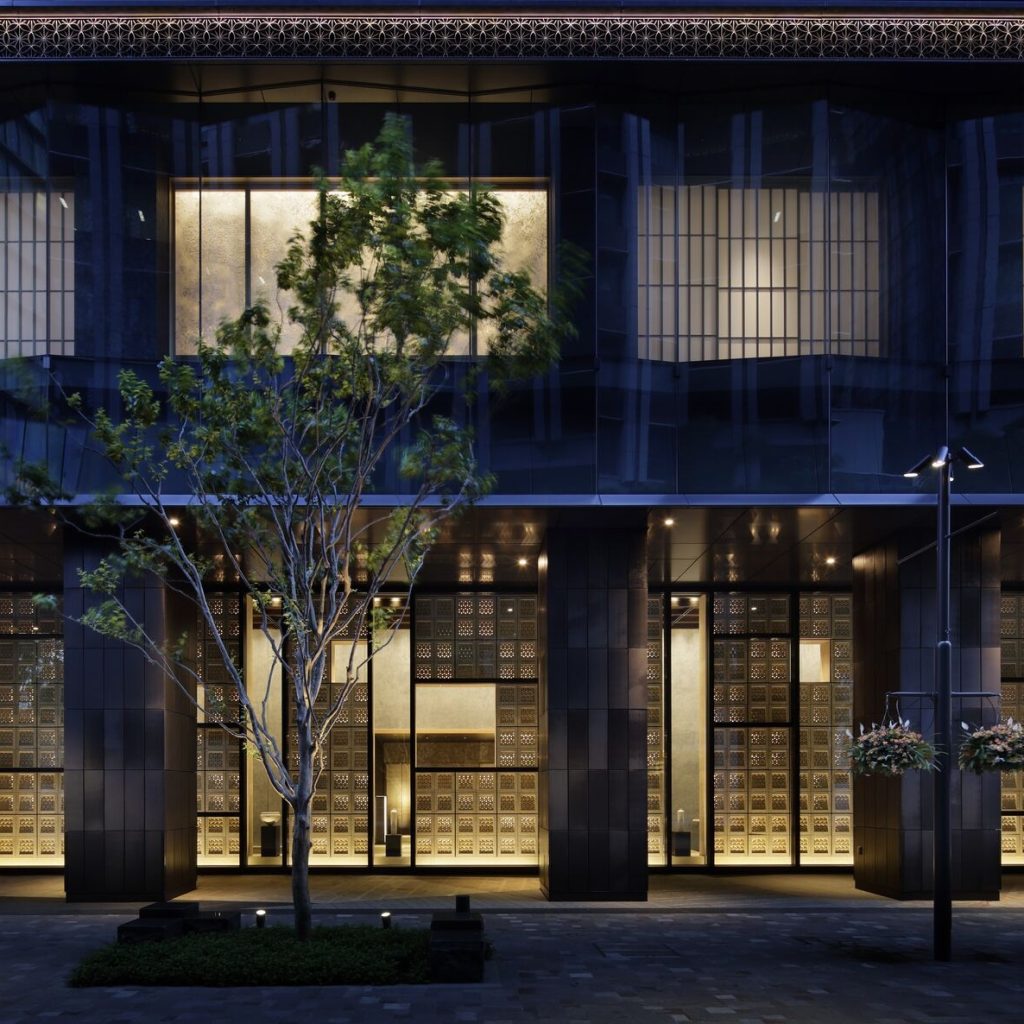
HOSHINOYA Tokyo
Each floor operates as its own private enclave, accessible only to those staying there and anchored by an Ochanoma Lounge stocked with seasonal refreshments that change with the calendar — a detail that reflects the Japanese aesthetic of embracing the fleeting beauty of each moment. Slip into kimono-style loungewear and linger as long as you like, for time in the Ochanoma Lounge is measured not by the clock but by the quality of the conversation, the warmth of the tea, and the gentle pleasure of simply being present. Rooms follow suit: minimalist yet tactile, with tatami floors that release the scent of rushes with each step, soft lighting that creates a cocoon of calm, and a quietly meditative sense of peace that makes the chaos of the city outside seem as distant as another world.
The real draw, however, lies above it all — a secret that the building keeps close, revealed only to those who make the journey to the top floor and discover what may be the most extraordinary wellness experience in all of Tokyo.
The Otemachi Onsen, a natural hot spring drawn from 1,500 meters beneath the city, is an exceptional rarity in central Tokyo — a place where the ancient volcanic forces that shaped the Japanese archipelago have been coaxed to the surface in the heart of one of the world's most technologically advanced cities. Set on the top floor, the open-air bath introduces a slower rhythm of soaking and stillness that feels almost transgressive in a city that operates at the speed of light, a reminder that the most profound luxuries are often the simplest: hot water, open sky, and the kind of silence that allows you to hear your own heartbeat. Treatments build on this ritual, including Kobai, a 90-minute full-body experience combining oil bodywork with facial cleansing that approaches the level of art. For a deeper immersion, the Edo Beauty Stay program extends these practices into a multi-day journey that traces the evolution of Japanese beauty culture from the Edo period to the present. hoshinoresorts.com
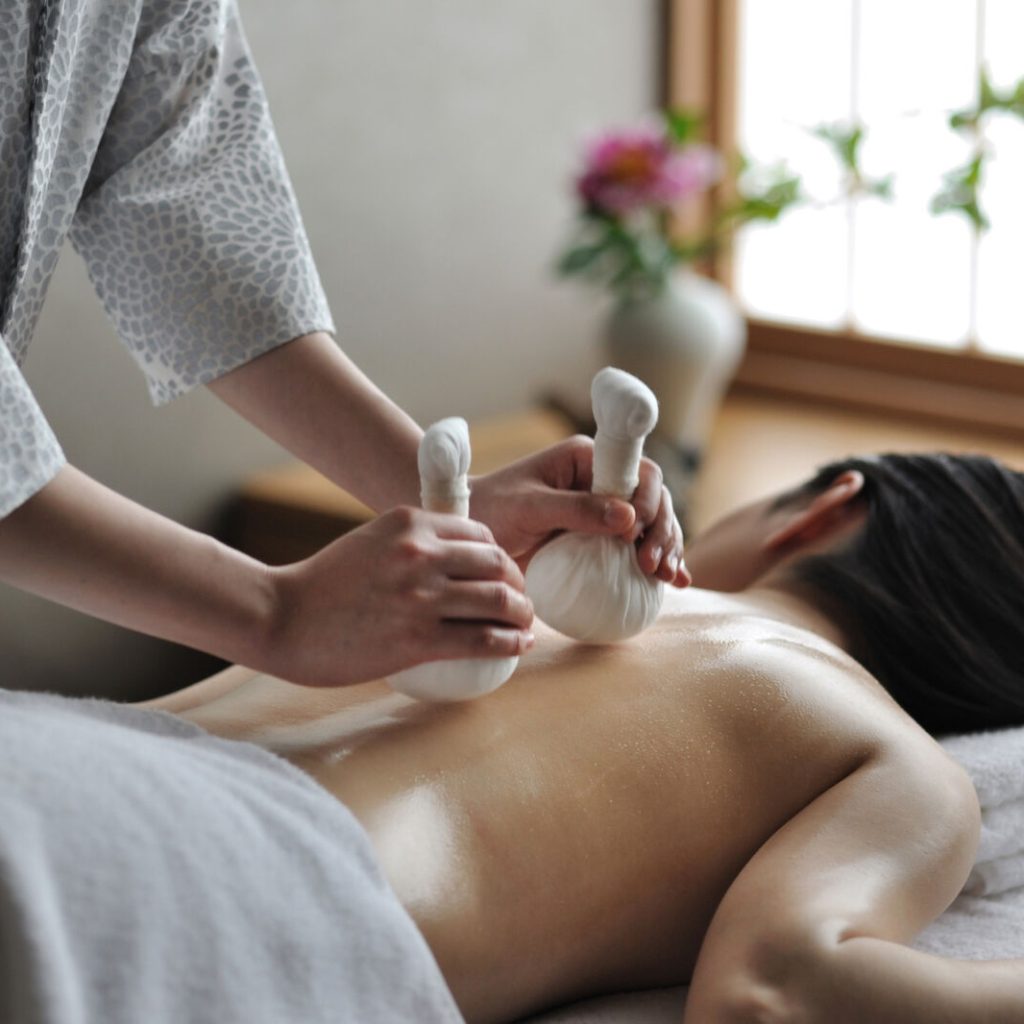
A treatment at HOSHINOYA Tokyo's Otemachi Onsen
Folio · Atlas · 25°41'23"S 23°11'59"W · Silver Tier
From a design-forward farm retreat in Iwate and a Blue Zones program in Okinawa to an urban ryokan in Tokyo, three distinctive escapes for cultural immersion and destination-driven luxury that represent the vanguard of…
— Club ledger, April 24, 2026, archive no. 7517